What does a transmission service include?
A transmission service should be part of routine vehicle maintenance, just like replacing the engine oil. Transmissions are comprised of intricate moving parts that need to be kept in top condition. If you ever allow your vehicle’s transmission fluid to degrade or a small gearbox issue to develop, you might experience a difficult and expensive transmission repair job.
In a general sense, a transmission service normally includes inspecting, maintaining and replacing key components to help keep your vehicle shifting smoothly and operating efficiently.
When asking "what does a transmission service include?" we can consider a few core factors.
Common Elements of a Transmission Service
- Transmission Fluid Inspection and Replacement – Old or contaminated transmission fluid is checked and replaced to maintain proper lubrication and cooling.
- Transmission Filter Replacement – Dirt, debris, tiny metal fragments and other contaminants can build up in transmission fluid as it flows through the system. The transmission filter collects this debris, and during routine service, the filter will be checked; if it’s too clogged, it will be replaced with a new one.
- Transmission Pan Inspection – This involves draining the old transmission fluid, dropping the transmission pan, replacing the internal filter, cleaning the pan, installing a new gasket and refilling the system with fresh fluid.
- Leak Inspection – Here, the transmission housing is thoroughly cleaned so the fluid’s color and level can be checked via a dipstick; a visual inspection of the pan gasket, seals, drain plug and cooler lines is also completed.
- Transmission Flush (As Recommended) – Depending on the vehicle manufacturer’s recommendations, this may be performed to remove old fluid and buildup.
- Transmission Performance Check – Technicians inspect shifting quality, unusual noises, slipping and other signs of transmission problems.
The benefits of a regular transmission service performed by a professional repair technician at a certified auto repair shop include:
- Shifting performance improvement
- Transmission overheating prevention
- Internal wear reduction
- Transmission lifespan extension
- Expensive repair avoidance
If you are experiencing hard or delayed shifting, slipping, a burning smell, dark or dirty transmission fluid, leaks, strange noises while driving or a check engine light, you’re probably in need of a transmission repair service. Following your vehicle manufacturer’s recommended transmission service schedule can help maintain reliable performance and protect one of your vehicle’s most important systems.
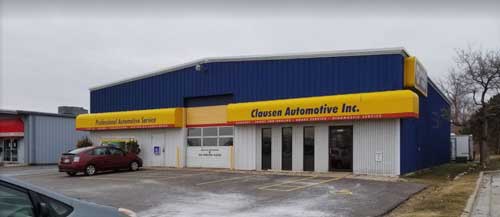
Question about what does a transmission service include? Contact our ASE Certified Technicians at Clausen Automotive, The Hybrid Shop, for more information about the transmission repair and to schedule an appointment. Since 1975, our family-owned auto shop has proudly served vehicle owners in Madison, WI, and the surrounding communities.
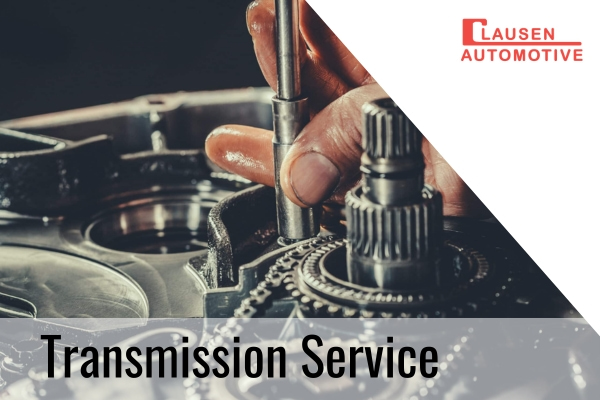
A transmission service should be part of routine vehicle maintenance, just like replacing the engine oil. Transmissions are comprised of intricate moving parts that need to be kept in top condition. If you ever allow your vehicle’s transmission fluid to degrade or a small gearbox issue to develop, you might experience a difficult and expensive transmission repair job.
In a general sense, a transmission service normally includes inspecting, maintaining and replacing key components to help keep your vehicle shifting smoothly and operating efficiently.
When asking "what does a transmission service include?" we can consider a few core factors.
Common Elements of a Transmission Service
- Transmission Fluid Inspection and Replacement – Old or contaminated transmission fluid is checked and replaced to maintain proper lubrication and cooling.
- Transmission Filter Replacement – Dirt, debris, tiny metal fragments and other contaminants can build up in transmission fluid as it flows through the system. The transmission filter collects this debris, and during routine service, the filter will be checked; if it’s too clogged, it will be replaced with a new one.
- Transmission Pan Inspection – This involves draining the old transmission fluid, dropping the transmission pan, replacing the internal filter, cleaning the pan, installing a new gasket and refilling the system with fresh fluid.
- Leak Inspection – Here, the transmission housing is thoroughly cleaned so the fluid’s color and level can be checked via a dipstick; a visual inspection of the pan gasket, seals, drain plug and cooler lines is also completed.
- Transmission Flush (As Recommended) – Depending on the vehicle manufacturer’s recommendations, this may be performed to remove old fluid and buildup.
- Transmission Performance Check – Technicians inspect shifting quality, unusual noises, slipping and other signs of transmission problems.
The benefits of a regular transmission service performed by a professional repair technician at a certified auto repair shop include:
- Shifting performance improvement
- Transmission overheating prevention
- Internal wear reduction
- Transmission lifespan extension
- Expensive repair avoidance
If you are experiencing hard or delayed shifting, slipping, a burning smell, dark or dirty transmission fluid, leaks, strange noises while driving or a check engine light, you’re probably in need of a transmission repair service. Following your vehicle manufacturer’s recommended transmission service schedule can help maintain reliable performance and protect one of your vehicle’s most important systems.
Question about what does a transmission service include? Contact our ASE Certified Technicians at Clausen Automotive, The Hybrid Shop, for more information about the transmission repair and to schedule an appointment. Since 1975, our family-owned auto shop has proudly served vehicle owners in Madison, WI, and the surrounding communities.