

What happens when car struts go bad?
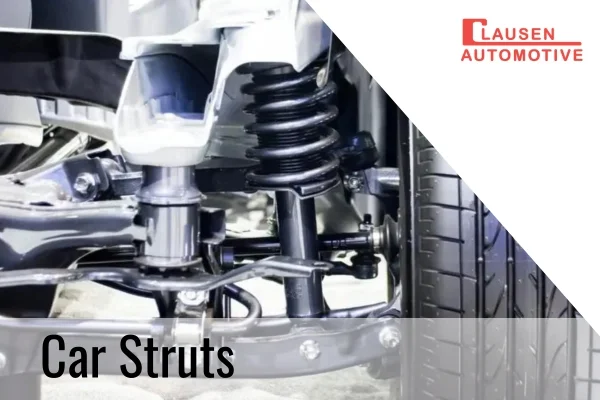
If you are asking what happens when car struts go bad, the vehicle can become harder to control, less comfortable to drive, and less stable during braking or turning. Struts help support the suspension, while car shocks help control bouncing and movement. When these parts wear out, the tires may not stay firmly planted on the road.
Common signs of bad struts or shocks:
- Excessive bouncing: The vehicle may keep bouncing after bumps instead of settling quickly.
- Rough ride: Small bumps may feel harsher than normal.
- Nose diving: The front of the vehicle may dip when braking.
- Swaying or leaning: The vehicle may feel unstable during turns or lane changes.
- Uneven tire wear: Poor tire contact can cause tread to wear faster in certain spots.
- Fluid leaks: Worn struts or car shocks may leak hydraulic fluid.
What can happen if you keep driving:
- Braking distance may increase.
- Steering and handling may feel loose or unsafe.
- Tires may wear out sooner.
- Suspension parts may take extra stress.
- The ride may become noisy, shaky, or uncomfortable.
What service may be needed:
- Strut inspection and replacement
- Car shocks inspection or replacement
- Tire inspection and rotation
- Wheel alignment after suspension work
So, what happens when car struts go bad? Your vehicle can lose comfort, control, and safety. Replacing worn struts or shocks early can help protect your tires, suspension, and braking performance.
Need to know more about what happens when car struts go bad? Contact our ASE Certified Technicians at Clausen Automotive, The Hybrid Shop, for more information about car shocks and to schedule an appointment. Since 1975, our family-owned auto shop has proudly served vehicle owners in Madison, WI, and the surrounding communities.
If you are asking what happens when car struts go bad, the vehicle can become harder to control, less comfortable to drive, and less stable during braking or turning. Struts help support the suspension, while car shocks help control bouncing and movement. When these parts wear out, the tires may not stay firmly planted on the road.
Common signs of bad struts or shocks:
- Excessive bouncing: The vehicle may keep bouncing after bumps instead of settling quickly.
- Rough ride: Small bumps may feel harsher than normal.
- Nose diving: The front of the vehicle may dip when braking.
- Swaying or leaning: The vehicle may feel unstable during turns or lane changes.
- Uneven tire wear: Poor tire contact can cause tread to wear faster in certain spots.
- Fluid leaks: Worn struts or car shocks may leak hydraulic fluid.
What can happen if you keep driving:
- Braking distance may increase.
- Steering and handling may feel loose or unsafe.
- Tires may wear out sooner.
- Suspension parts may take extra stress.
- The ride may become noisy, shaky, or uncomfortable.
What service may be needed:
- Strut inspection and replacement
- Car shocks inspection or replacement
- Tire inspection and rotation
- Wheel alignment after suspension work
So, what happens when car struts go bad? Your vehicle can lose comfort, control, and safety. Replacing worn struts or shocks early can help protect your tires, suspension, and braking performance.
Need to know more about what happens when car struts go bad? Contact our ASE Certified Technicians at Clausen Automotive, The Hybrid Shop, for more information about car shocks and to schedule an appointment. Since 1975, our family-owned auto shop has proudly served vehicle owners in Madison, WI, and the surrounding communities.